
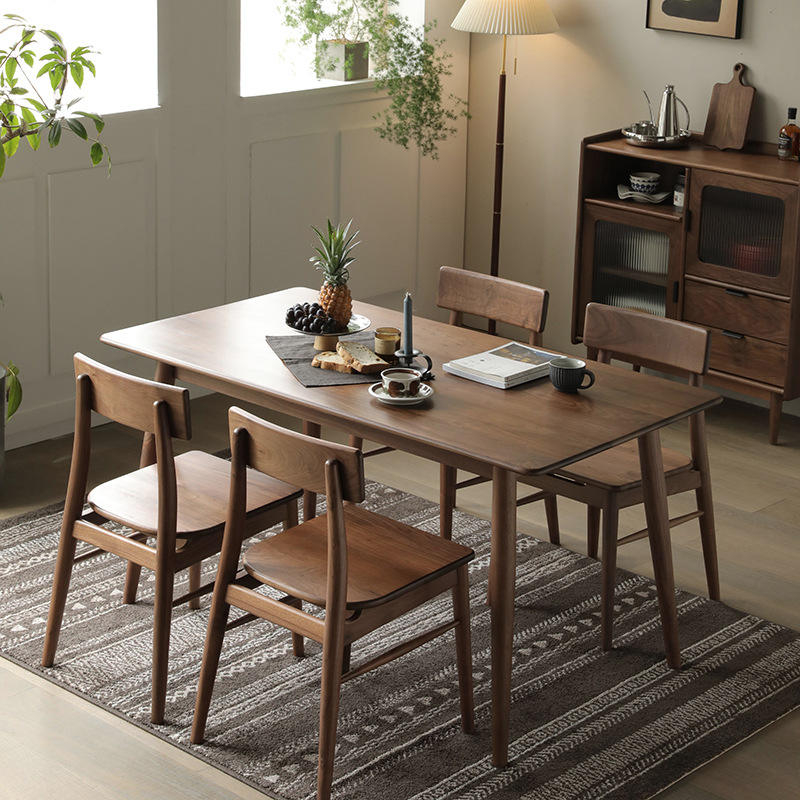
In global furniture industry, competition is no longer only between large importers and factories. More and more small furniture brands, online stores, and boutique retailers are entering the market and successfully building their own customer base.
At Jiangxi Jfeel Furniture Co., Ltd, we work closely with these growing businesses, and one clear trend has emerged:
👉 Small brands are not competing on size — they are competing on flexibility, design, and speed.
1. The Market Is Growing, But Becoming More Fragmented
The global solid wood furniture market continues to grow steadily, driven by demand for natural, durable, and sustainable products. However, the market is no longer dominated by only large wholesalers.
Instead, it is becoming:
(1-1). More niche-driven
(1-2). More brand-focused
(1-3). More online-store driven
This shift creates opportunities for small retailers who can quickly adapt to customer preferences.
2. Small Brands Win Through Faster Product Selection
Unlike large importers who need long approval cycles, small furniture businesses can:
(2-1). Test new styles quickly
(2-2). Launch limited collections
(2-3). Adjust based on customer feedback
A. Solid wood furniture is especially suitable because it allows:
(A-1). Multiple finishes (natural, walnut, oak, black wash)
(A-2). Flexible designs for different markets
(A-3). Long-lasting product value that supports brand trust
3. MOQ Flexibility Is Becoming a Competitive Advantage
One of the biggest challenges for new furniture brands is inventory pressure.
That is why flexible supply has become critical:
(3-1). Small batch production
(3-2). Mixed model containers
(3-3). Trial orders for new products
This allows retailers to reduce risk while testing demand in their market.
4. Product Story Matters More Than Product Price
In modern furniture sales, customers are not only buying furniture — they are buying the story behind it.
Successful small brands focus on:
(4-1). Material origin (solid wood, sustainable sourcing)
(4-2). Design identity (minimalist, rustic, modern)
(4-3). Lifestyle positioning (home office, cozy living, eco-friendly living)
This is why solid wood furniture performs well in branding — it naturally carries a premium and authentic image.
5. Online Furniture Sellers Are Driving New Demand
Platforms like Shopify, Amazon, and independent DTC stores have changed how furniture is sold.
Online sellers need products that:
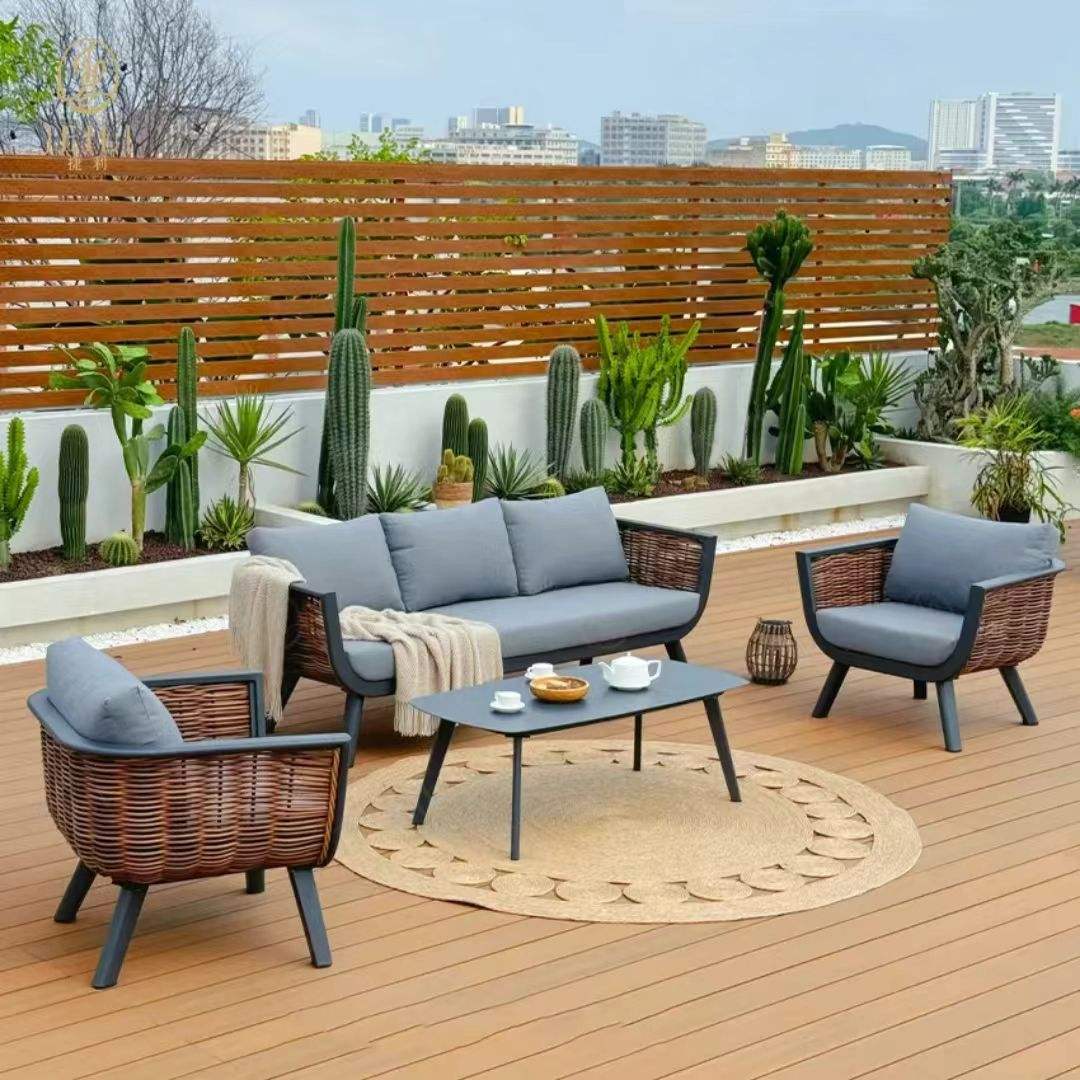
(5-1). Look strong in photos and videos
(5-2). Are easy to explain to customers
(5-3). Have low return rates
(5-4). Support repeat purchasing
Solid wood furniture meets all of these needs due to its durability and visual appeal.
6. Supplier Partnership Is Now a Growth Strategy
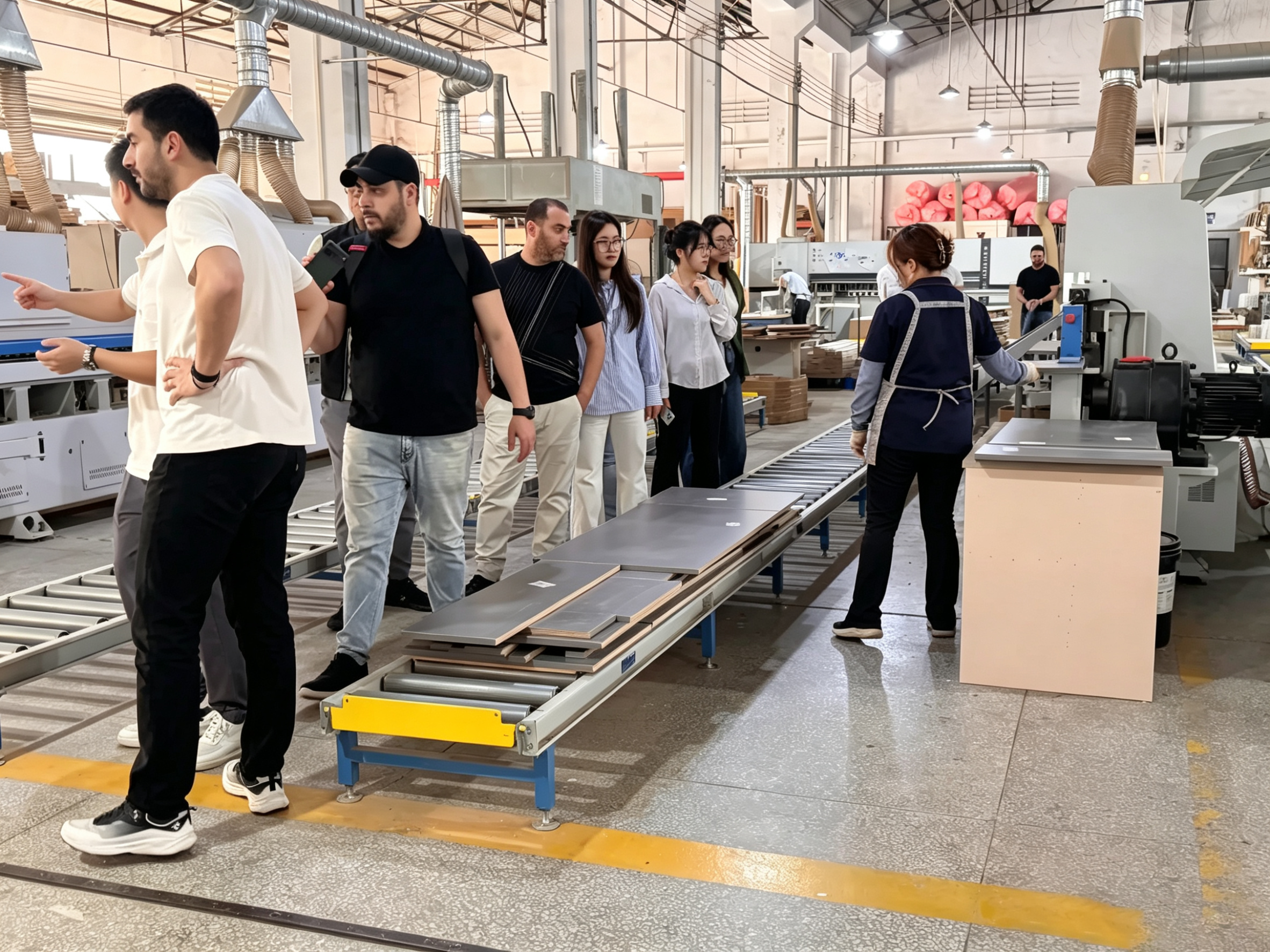
For small furniture brands, the supplier is no longer just a factory — it is a growth partner.
A strong supplier should provide:
(6-1). Stable quality control
(6-2). Fast communication
(6-3). Customization support
(6-4). Market understanding
This partnership model helps small brands compete globally without owning factories.
7. Final Thoughts
The future of the furniture industry is not only about large-scale production — it is about flexible, responsive, and brand-driven businesses.
If you are building a furniture brand or running an online store, choosing the right supplier can directly affect your growth speed and market success.
8. We are always open to supporting small and growing businesses with:
(8-1). Product catalogs
(8-2). Small MOQ orders
(8-3). Custom design support


Leave A Comment